Kalbot Team
Infrastructure Expert
What is an Operational System for Small Business?
Learn what an operational system is, how it differs from a basic CRM, and why modern service businesses need one to scale.
Defining an Operational System
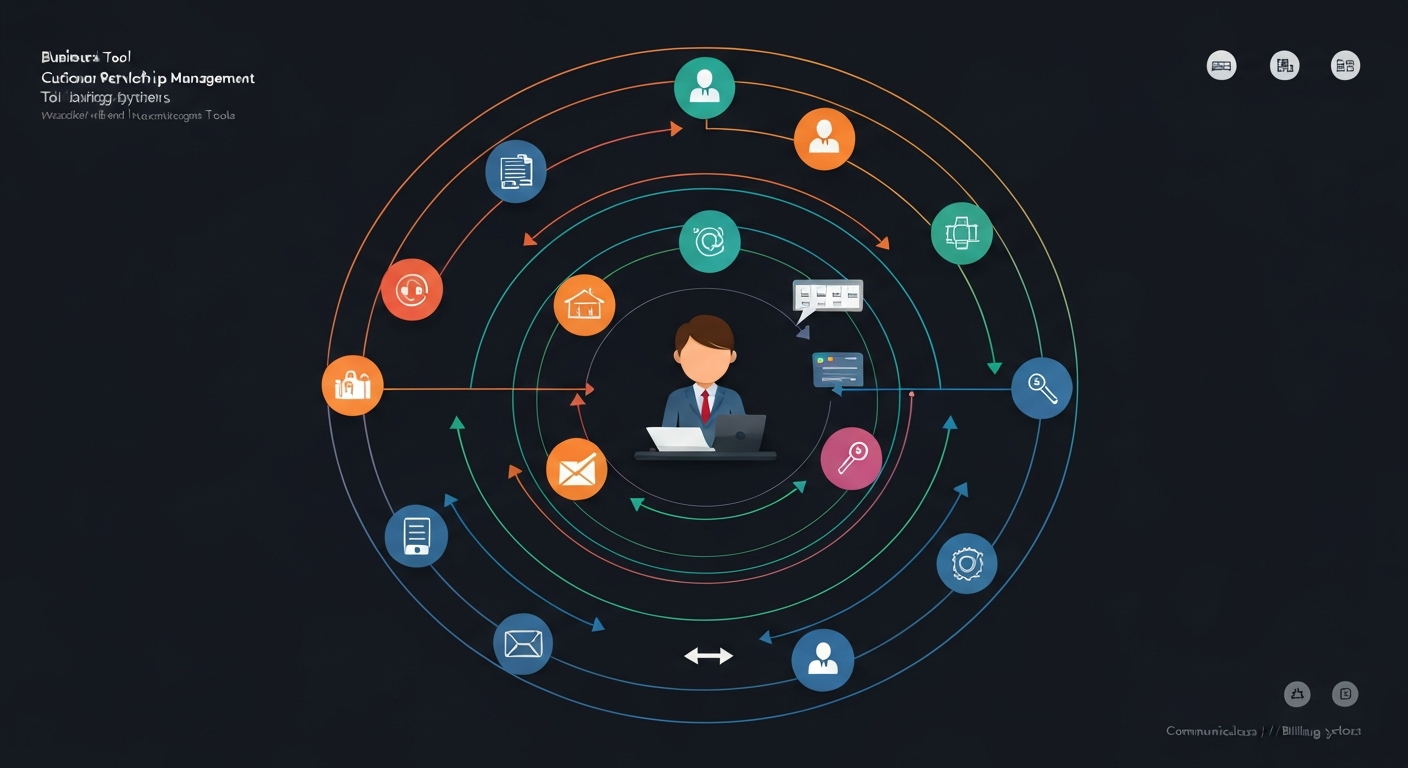
An operational system is a centralized software infrastructure that manages the core workflows of a business. Unlike a simple CRM that just stores contact information, an operational system connects scheduling, communication, payments, and task automation into one unified platform.
How it Works
- Centralization: It replaces the 5-10 disconnected apps you currently use (spreadsheets, booking software, email marketing, invoicing tools).
- Automation: It triggers actions based on events. For example, when a job is marked complete, it automatically sends a review request.
- Visibility: It provides a single dashboard to view the health, schedule, and communications of the entire business.
Who is it Best For?
Operational systems are essential for businesses with complex, recurring workflows. This includes:
- Creative studios and arts schools (Martial Arts, Swim Schools, Tutoring)
- Property Management companies
- Home Service Contractors (Roofers, Plumbers, HVAC)
Key Benefits
- Eliminates double data entry across different platforms.
- Reduces administrative overhead by automating routine tasks.
- Ensures no lead or customer follow-up falls through the cracks.
- Provides a professional, cohesive experience for your customers.
How Kalbot Solutions Delivers This
At Kalbot Solutions, we don't just sell software; we build custom operational systems like Studio OS and Property Management OS. We map your specific business processes and build the automation infrastructure to support them, ensuring a perfect fit for your operations.
Common Questions
Q: Is an operational system the same as a CRM?
A: No. A CRM primarily manages sales pipelines and contact data. An operational system manages the actual delivery of your service, including scheduling, attendance, work orders, and billing.
Q: How long does it take to implement?
A: With a dedicated partner like Kalbot Solutions, a fully customized operational system can typically be deployed and staff-trained within 2 to 4 weeks.
Q: Will it replace my existing tools?
A: Yes, in most cases, an operational system consolidates multiple subscriptions (like Mailchimp, Calendly, and Mindbody) into one unified platform, saving you money.
Conclusion
To scale beyond the chaos of daily operations, you need more than just a contact database. You need a dedicated operational system that automates your workflows and centralizes your business.
Ready to centralize your business?
Discover how a custom operational system can eliminate administrative chaos.
Book a Free Strategy Call